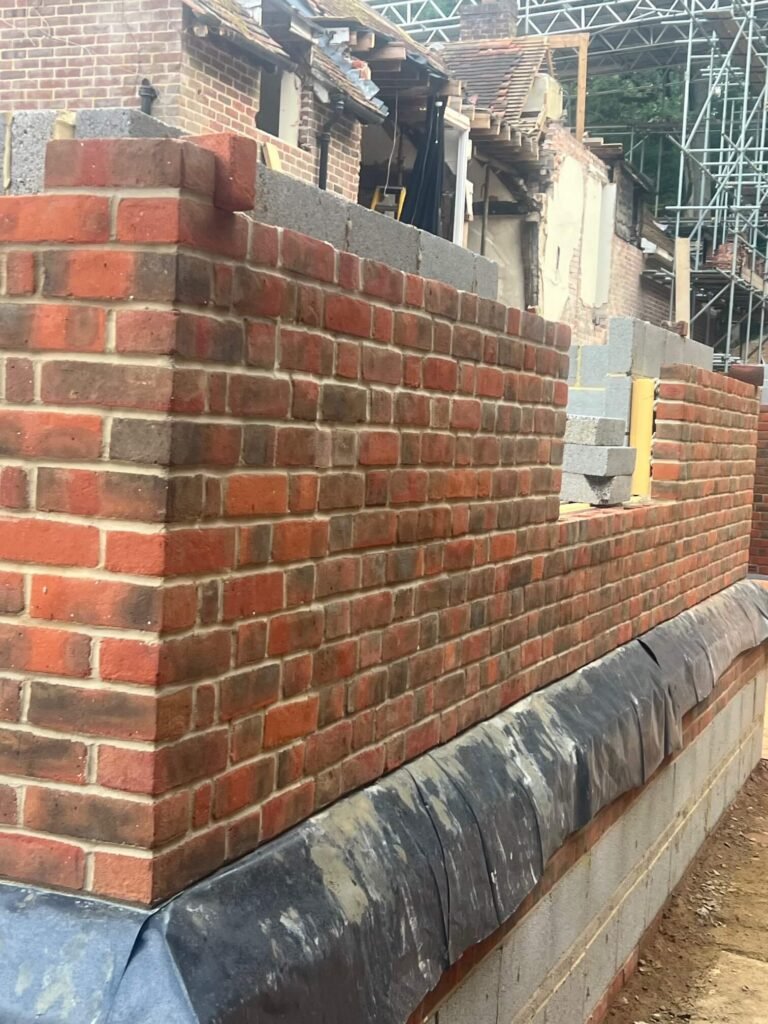
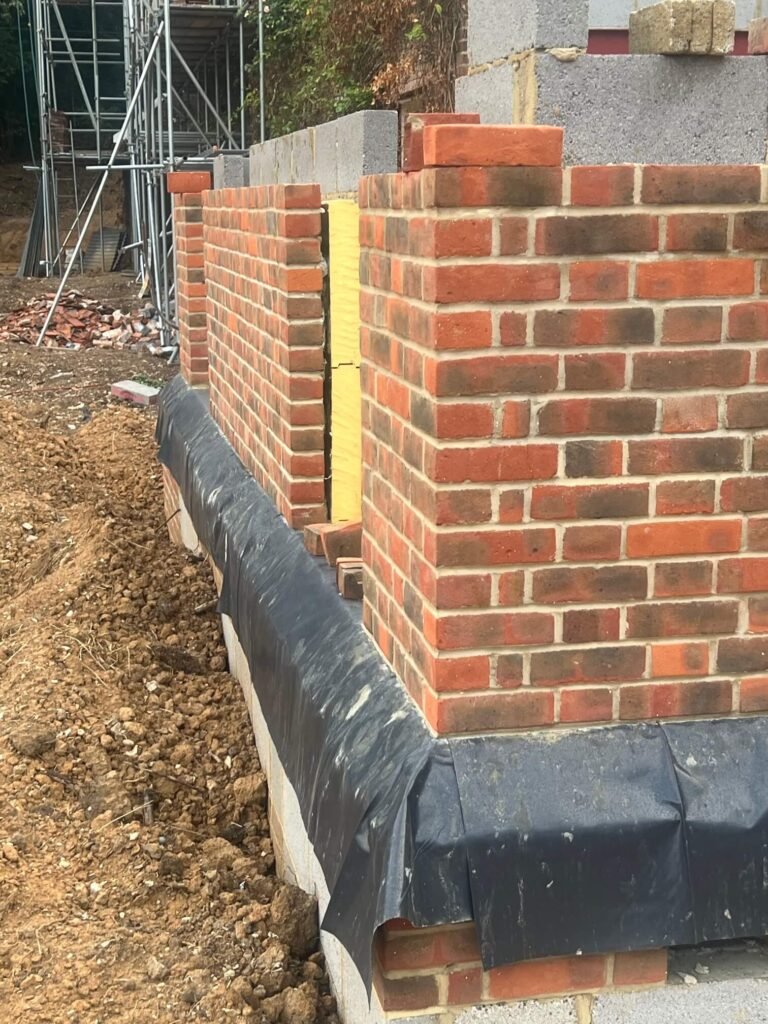
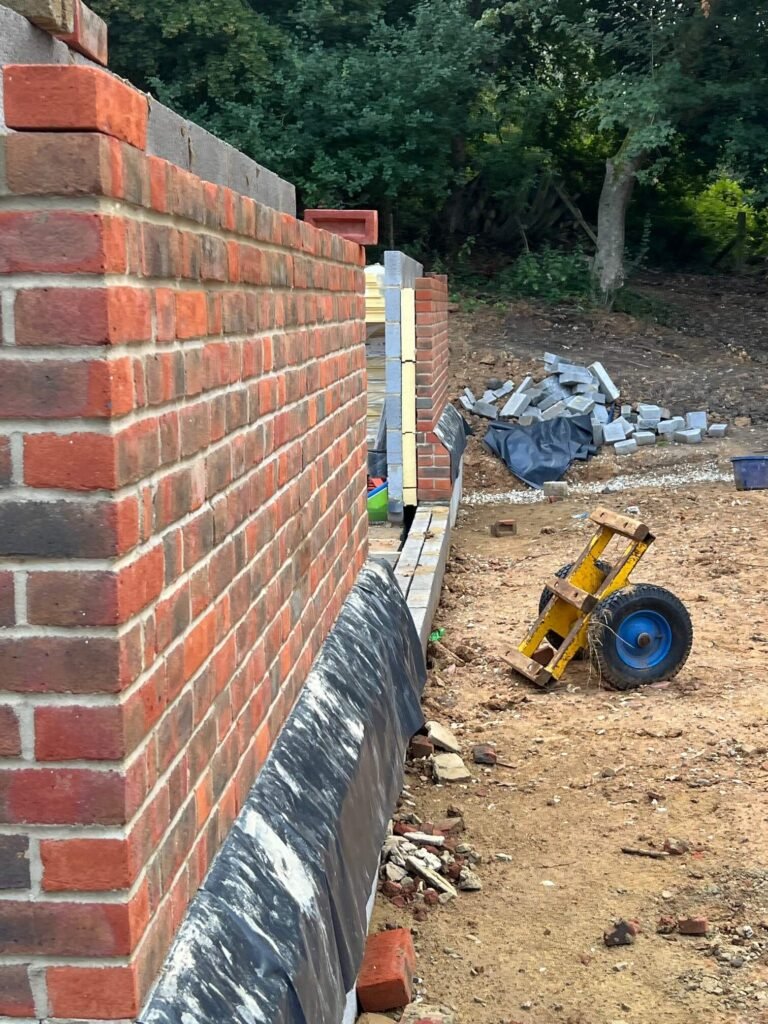
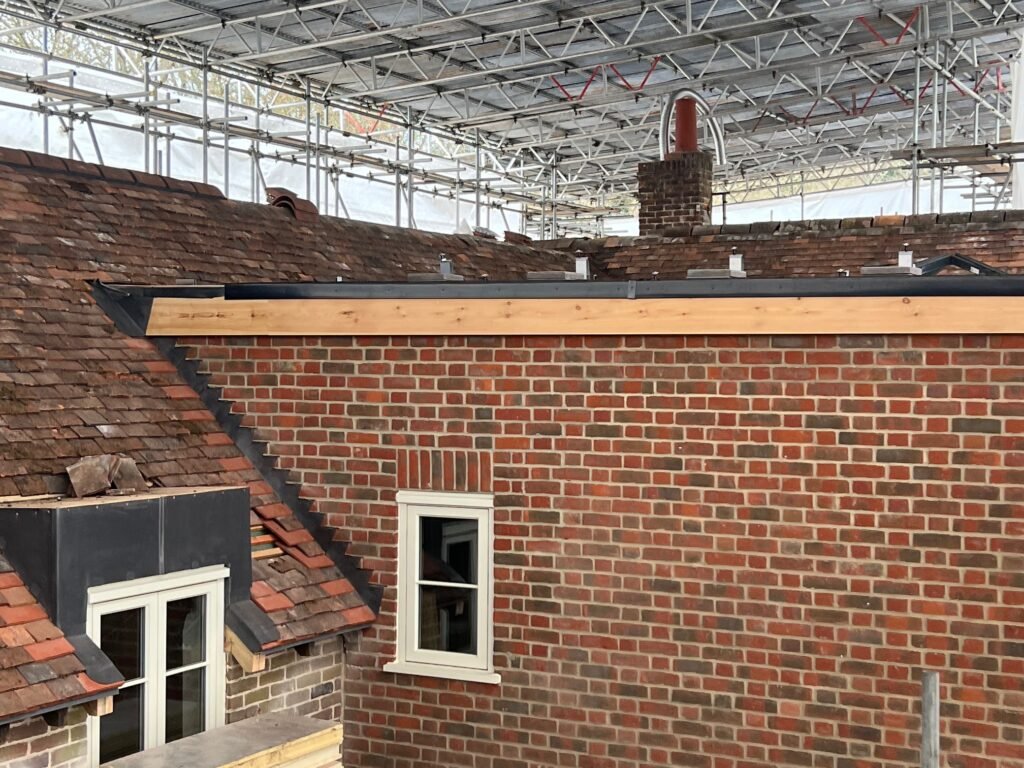
Our team understand how the choice of brick and masonry technique affects the durability, thermal performance and aesthetic stability of a structure.
Sundried bricks are less durable, less water- and fire-resistant, and are used for temporary structures. In contrast, burnt bricks come in four classifications, namely first class, second class, third class, and fourth class. As we move down the class, the quality decreases. For instance, first class bricks have a standard shape, sharp edges, and a smooth surface, making them more durable and stronger. Fourth class bricks, on the other hand, are of poor quality and are used as aggregates in concrete production.
Then there are fly ash bricks that have great resistance to freeze-thaw cycles. Concrete bricks can be used for the construction of masonry and framed buildings, facades, and fences. Meanwhile, calcium silicate bricks are perfect for ornamental works in masonry. For basements that are prone to chemical or water attacks, engineering bricks are used because of their high compressive strength and frost and acid resistance.